EXTRUSION

What is it?

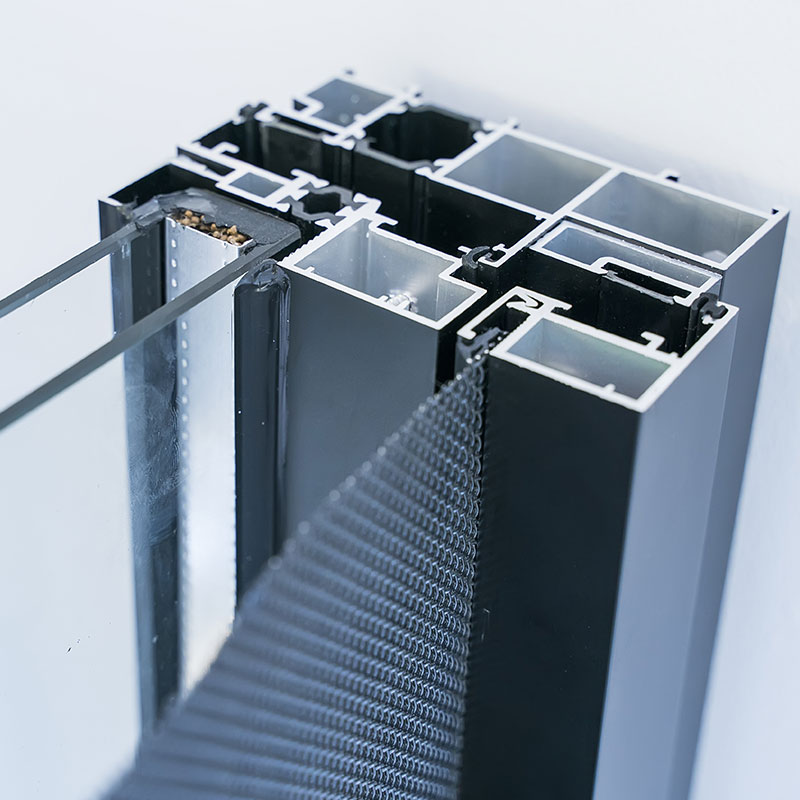
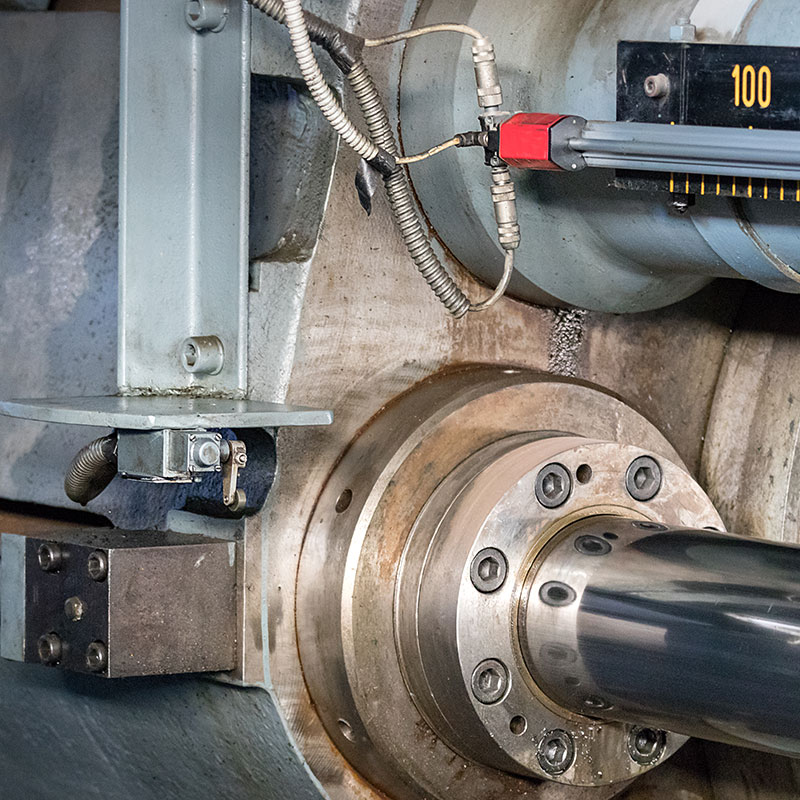
Aluminum extrusion is a process that uses a hydraulic press to force hot alloyed metal (semi-solid and formable) through a die or extrusion mold. The resulting aluminum profile takes the shape of the die opening.

The process also involves other equipment used before and after the metal passes through the extrusion press.

The main raw material of this process, the aluminum alloy billet, is cut to the desired length and then heated and fed into the press. After exiting the press, the aluminum profile is cooled and subjected to several subsequent processes.

The extrusion process follows a short number of steps, but can achieve a multitude of shapes and designs.

What is it for?

The aluminum extrusion process allows create aluminum profiles with shapes and thicknesses that otherwise could not be made with any other metal. Aluminum’s malleability makes it the perfect candidate for this process that can be applied to all types of industries and uses.

From window frames to the manufacture of technology, the benefits of extrusion can be exploited by any user.

Benefits

Combining the use of the world’s most abundant metal with the extrusion process generates a number of advantages. Among which we have:
Aluminum advantages Aluminum Extrusion process Advantages
Recyclable attractive
Lightweight Wide variety of finishes
Strong Continuous (no visible joints)
High strength-to-weight ratio Complex integral shapes
Resilient Easy to fix and mount
Resistant to corrosion Variety of joint forms
Thermal conductor Manufacturing
No toxic Tolerance management
reflective Cost
Electrical conductor Low manufacturing times
Non magnetic  
Doesn’t generate sparks  
Doesn’t generate combustion  
Low temperature resistance  
 (Aluminum Extruders Council, 2018)     

Do you want to return to the list of all processes?